Language /zhtw/zh

Kyoto east area for Buginners

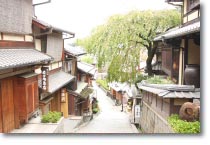
Kyoto is the most famous travel spot in Japan. Because it has over 1,200 years of history and over 500 splendid shrines and temples, there are almost too many beautiful spots to see for your limited time. MLJ introduces Gion to Kiyomizu-dera travel for Kyoto beginners. This travel offers the best Kyoto Scenic Beauty. Especially, the back streets of Gion, suchi as Ishibei-Koji, Ninenzaka and Nene no Michi are the best place to walk around with Kimono. This trip takes one day by walking and offers Kyoto.
List for Kyoto east area for Buginners

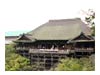
Kiyomizu Temple

Kiyomizu Temple (清水寺, kiyomizu-dera) is one of the most popular temples in ...

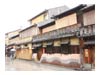
Gion

Gion (祇園) is one of the most popular tourist spot in Kyoto. It is located ...

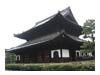
Kennin-ji Temple

Kennin-ji Temple (建仁寺) is the oldest Zen Temple in Kyoto. It was ...

Ishibei Koji Street

Ishibei Koji Street (石塀小路) is one of the popular street in Kyoto. The ...

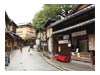
Ninen-zaka and Sannen-Zaka

Ninen-zaka and Sannen-Zaka (二念坂・産寧坂) are great shopping streets around ...

Kiyomizu-michi

Kiyomizu-michi(清水道) is a street leading to Kiyomizu temple which is one of ...

Gion Shinmachi

Gion Shinmachi (祗園新町) is located the northern area around Shirakawa river ...

Hanami-Koji Street

Hanami-Koji Street (花見小路) is the main street of Gion. It runs from north ...

Nene's Street

Nene's Street (ねねの道, nenenomichi) is one of the best streets in Kyoto. It ...

Map

Kiyomizu Temple

Get the Flash Player to see this video.

Information

Category: Temples Shrines > Temples

Kiyomizu Temple (清水寺, kiyomizu-dera) is one of the most popular temples in Kyoto. Kiyomizu Temple was established in 778 by priest Enchin. It is one of the oldest temple in Japan. Therefore, there are many historically important buildings including National Treasures. Also, it is designated as one of UNESCO World Heritage Site of Kyoto. Over 1,200 years, It was highly respected as "Kiyomizu no Kannon-san."

Visitor's Info.
Admission: 300 yen for adult, 200 yen for kids.
Open: 6:00 to 18:00 (close early in winter, and later in summer)
It opens at night in limited period (check out the official web for detail)
No parking. No parking around the temple either.

Access
0. at Kyoto Station.
1. use Local bus (207 city bus) to Kiyomizu michi.
2. walk (10 min.)

Detailed Travel Guide

Abuut Kiyomizu-dera
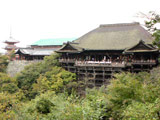
Located halfway up Otowa Mountain in the eastern part of Kyoto City, Kiyomizu-dera is a historic temple that was established in 778, even before Kyoto became the capital of Japan. Since its foundation, the temple has burned down many times. Most of the current buildings were rebuilt by the third Shogun Tokugawa Iemitsu in the early Edo period (1631 to 1633). The Main Hall (Hondo) of the temple is designated as a national treasure. The temple has many other important cultural properties including the Deva gate, west gate, three-storied pagoda and bell tower. In 1994, it was registered on the UNESCO World Cultural Heritage List as one of the Historic Monuments of Ancient Kyoto. The two most famous places of the temple are the Main Hall, where the Eleven Headed and Thousand Armed Kannon Bodhisattva - which is famous for the power of answering prayers - is enshrined and Kiyomizu Stage, which is the veranda of the Main Hall extended over a
precipice. Kiyomizu Stage was built using a special method; huge 12-meter high keyaki (Japanese Zelkova) pillars were assembled without using a single nail and the floor was installed using more than 410 cypress boards. The View of the city center of Kyoto from the Stage is magnificent. Kiyomizu-dera (the temple of clear water) was named after Otowa Waterfall. Water from a spring in the mountain has been falling there since its foundation. Fifteen colorfully-painted halls and pagodas stand in its verdant precincts.

The beauty of Kiyomizu-dera is enhanced by the cherry blossoms and fresh verdure in spring and colored leaves in autumn. It is well known as a landscape that represents Kyoto. It would be our pleasure if you took the time to visit and deepen your understanding of the Japanese culture and spirit.

Buildings
-Niomon gate-
Muromachi style gate built in late 15th century.

-Saimon gate-
Western Gate built in 1631.

-Zuigudou-
Built in 1718 for Daizuigubosatsu.

-3 Stories Pagoda-
Originally built in 847, and rebuilt in 1632.

-Kyodo-
Built in 1633.

-Kaizando-
Built in 1633.

-Hondo-
It is the symbol of Kiyomizu Temple.

Current one was built in 1633.

-The stage of Kiyomizu-
The stage for performance to Kannon.

-Kake zukuri style-
Construction without nails.

-Otowa Falls-
Origin of Kiyomizu Temple and its name. It a sacred water for purification.

(reference: Kiyomizu-dera official site)

Official Site: http://www.kiyomizudera.or.jp/lang/01.html
  Copyright © 2007-2010 all rights reserved.
Legends