Language /zhtw/zh

UNESCO World Heritage Sites

Because Japan has rich history and beautiful natures, Japan has 14 registered UNESCO World Heritage sites.
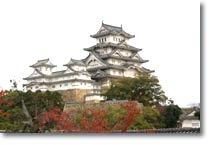
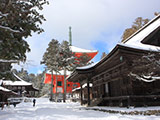
Traveling those World Heritage Sites is one of the valuable way to enjoy sightseeing. Especially, those registered architectures, such as Himeji Castle, Nikko and Nara's temples and shrines, are breathtaking site. Of course, Japan is not only with full of history, but also has many beautiful natures.

List for UNESCO World Heritage Sites

Himeji castle

Himeji castle (姫路城) is one of Japan's three most famous castles and is the ...

The Heijo Imperial Palace

The Heijo Imperial Palace(平城京) is currently under reconstruction for the ...

Shirakawa-go

Shirakawa-go (白川郷) is the village of traditional houses in the Gassho ...

Nikko Toshogu Shrine

Nikko Toshogu Shrine (日光東照宮) is a Shinto shrine in Nikko, Tochigi ...

Gokayama

Gokayama (五箇山) is one of the UNESCO World Heritage Site in Japan. It is ...

Hiraizumi

Hiraizumi (平泉) is registered UNESCO world heritage site located in Iwate ...

Chusonji Temple

Chusonji Temple (中尊寺) was established by Priest Jigaku in 850. The history ...

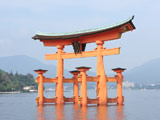
Itsukushima Shrine

Itsukushima Shrine(厳島神社) is one of the most famous Shrine in Japan. It is ...

Atomic Bomb Dome

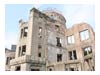
Atomic Bomb Dome (原爆ドーム), aka Genbaku Dome, is the Legacy of Tragedy ...

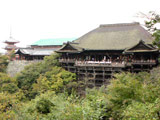
Kiyomizu Temple

Kiyomizu Temple (清水寺, kiyomizu-dera) is one of the most popular temples in ...

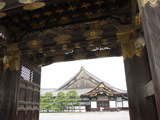
Nijo Castle

Nijo Castle (二条城, nijo-jo) is the flatland castle located in Kyoto. It is ...

Shimogamo Shrine

Kamomiyao Shrine (賀茂御祖神社), a.k.a Shimogamo Shrine (下鴨神社) is one of the ...

Nara Town

Nara Town (奈良町) is a historical site which remains many classic buildings ...

Map

Nikko Toshogu Shrine

Get the Flash Player to see this video.

Information

Category: Temples Shrines > Shrines

Nikko Toshogu Shrine (日光東照宮) is a Shinto shrine in Nikko, Tochigi Prefecture. It is part of the "Shrines and Temples of Nikko," a UNESCO World Heritage Site. Toshogu is dedicated to and enshrines Tokugawa Ieyasu ( 徳川家康), the founder of the Tokugawa Government and the first Tokugawa Shogun. After his death, his son the second Shogun Hidetada, and his grandson the third Shogun Iemitsu built this shrine in 1617. Most of the shrine and it ’s structures are preserved in their original form and many of them are designated as National Treasures of Japan.

Visitors Info.
Admission fee:1,300 yen for adult, 450 yen for kids.
For Treasure Museum: 500 yen for adult, 300 yen for high school, 200 for kids.
For Art Museum: 800 yen for adult, 600 yen for high school, 400 yen for kids.
Open: 8:00 am to 5:00 pm (4/1-10/31), 8:00 am to 4:00 pm (11/1-3/31)
There is parking space.

Access
0. at Nikko Station.
1. use Local bus to Nikko Toshogu 15 min.

Detailed Travel Guide

Travel Guide for Nikko Toshogu Shrine: Five structures at Toshogu are categorised as National Treasures of Japan, and three more as Important Cultural Properties.

Most of the shrines and temples were built between 1617 to 1636 within 20 years after the death of Tokugawa Ieyasu. Toshogu Shrine not only enshrines Tokugawa Ieyasu, his grave was also moved here.

The shrine is in harmony with the surrounding nature and there are many historic structures. Roads and stone steps, walls and towers are carefully designed and their placement required great care. Many shrines and structures, like the great gates, have detailed and intricate carvings with bright colours. Besides being great works of art, they also have show a great expression of historical, religious and spiritual consciousness.

Ishidorii (石鳥居)
Stone gate - Built in 1618 by Kuroda Nagamasa. All the stones were hand carted from Kyushu.

Goju no To (五重塔)
Five storied pagoda - Built in 1648 by Sakai Tadakatsu, and reconstructed in 1818.

Omote Mon (表門)
Entrance gate - it is also called Nio mon gate because of the two Nio statues at either side.

Sanjinko (三神庫)
Three sacred storehouses - here are stored many weapons, important religious accessories, art works, and clothes for the festival of this Toshogu in Spring and Autumn.

Shinkyusha and Sanzaru (神厩舎・三猿)
Sacred stables and the famous Three Wise Monkeys (san'en) - here is stored a sacred cart for the matsuri (festival). On the wall are the carvings representing the Three Wise Monkeys which are famous the world over. Mizaru, kikazaru, iwazaru - "don't see evil, don't hear evil, don't speak evil" which comes from the teachings of Buddhism and refers to the correct thoughts, speech and actions of man.


Omizuya (御水舎)
Ritual hand washing place - built in 1618 by Nabeshima Katsushige.

Yomei mon (陽明門)
Main gate - National Treasure of Japan also known as Higurashi no mon or the Sunset gate, because people spend an entire day watching this great art work. There are over 500 carvings. It was named after the main gate of the Imperial palace in Kyoto.

Kairo (廻廊)
The walls of Yomeimon - National Treasures of Japan. There are many carving including the biggest phoenix carving in Japan. All of the carvings were carved on one single plate of wood which required high carving technique called "sukashi bori."

Karamon (唐門)
The gate of the main shrine - National Treasure of Japan. It is all painted white, and has many colourfully painted carvings.

Gohonsha (御本社)
Main shrine - National Treasure of Japan. The most important place in Nikko Toshogu. There is a sacred room, stone room, and worship room. Many important religious ceremonies are held in here.

Shinyosha (神輿舎)
Omikoshi storage - there are three Omikoshi for the Shinto matsuri (festivals). One for Minamoto no Yoritomo, one for Toyotomin Hideyoshi and one for Tokugawa Ieyasu.

Kitoden (祈祷殿)
Ritual shrine - weddings and Miyamairi (the traditional Shinto rite of passage for new-borns) take place here.

Nemuri neko (眠り猫)
Sleeping cat - National Treasure of Japan. Carved by Hidari Jingoro. It is a detailed and realistic carving of a cat sleeping under the sun. Nikko's kanji literary means "sun" and "light." So, this cat has become the symbol of Nikko.

Okunomiya (奥宮)
Hidden or secret shrine - this is the inner most shrine for paying one's respects to Tokugawa Ieyasu. There is the Inuki mon gate and tower. The area holds the reliquary of Tokugawa Ieyasu. During the Edo period (1603 to 1868), only Shogun were allowed to worship at this shrine.
  Copyright © 2007-2010 all rights reserved.
Legends