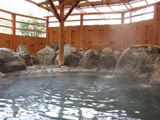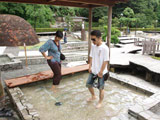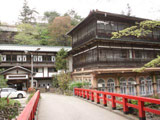
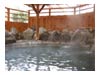
An onsen (温泉) is a term for hot springs in the Japanese language, though the term is often used describe the bathing facilities and inns around the hot springs. A volcanically active country, Japan has thousands of onsen scattered along its length and breadth. Onsen were traditionally used as public bathing places and today play a central role in directing Japanese domestic tourism. Onsen come in many types and shapes, including outdoor (露天風呂 or rotenburo) and indoor baths. Baths may be either public run by a municipality or private often run as part of a hotel, ryokan.
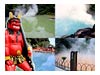
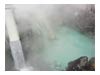



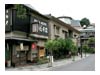
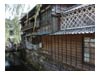
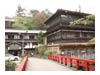


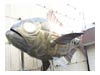


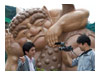




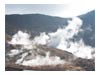



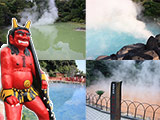
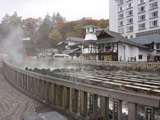
Beppu Onsen Hell Tour (別府地獄めぐり) is one of the most popular Onsen Tour in Japan. Beppu Onsen is located in Oita prefecture that is the largest Onsen prefecture in Japan. There are eight different kinds of hell Onsens in Beppu. The tour travels Sea Hell, Evil Monk Stone Hell, Mountain Hell, Pot Hell, Mountain Evil Hell, White Pond Hell, Blood Pond Hell and Tornado Hell. All of them present a unique Hell.
Tourist Info.
8 Hell pass: 2,100 Yen for adult, 1,350 Yen for High school, 1,000 Yen Junior High, 900 Yen for kids.
Time: 8:00 to 17:00
There is parking and restroom.
About 3 hours of travel in total.
Access
0. at Beppu Station.
1. Use local bus 2,5,24 to Umijigoku.
2100 JPY
3 hr. 20 min
 Let's learn MJER Iaijutsu.


 映画好き集まれ!