Language /zhtw/zh

Gardens in Japanese Castle

Many of Japanese Castles have a beautiful garden. Those gardens were designed by the decent garden artists in Edo Period. Daimyo, the lord of the castles, desired to create an excellent garden on their site. The artists were hired from Kyoto, and made them with unlimited budget. Those Japanese gardens which built by Daimyo were the masterpieces of all the art of gardening art.

List for Gardens in Japanese Castle

Kenrokuen Garden

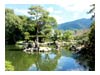
Kenrokuen Garden (兼六園) is the most famous spot in Kanazawa. It is Japanese ...

The Imperial Palace Eastern Garden

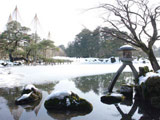
The Imperial Palace Easter Garden(皇居東御苑, kokyohigashigyoen) is also the ...

Himeji Koko-en

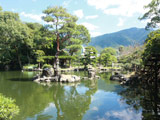
Himeji Koko-en (好古園), was constructed in 1992 to commemorate the one ...

Genkyuen Garden

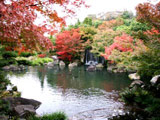
Genkyuen Garden (玄宮園) is the Japanese garden which used to be the house of ...

Map

Himeji Koko-en

Get the Flash Player to see this video.

Information

Category: Nature Parks > Japanese Garden

Himeji Koko-en (好古園), was constructed in 1992 to commemorate the one hundredth anniversary of the establisment of Himeji municipality.
Himeji Koko-en is composed of nine separate gardens, making use of the exact former site of where Nishi-Oyashiki (the Lord's West Residence) and other samurai houses once existed. The original Iocation was confirmed through seven archeological excavations.
Professor Makoto Nakamura of Kyoto University supervised the planning and designing of this garden.

Tourist Info.
Admission: 300 yen and 150 yen for kids. There is group discount.
Open: 9:00 to 17:00 (last entering at 16:00) in winter. Opens until 18:00 in summer.

Access
2. at Himeji Station
3. walk north (15 min.)

Detailed Travel Guide

Himeji Koko-en, was constructed in 1992 to commemorate the one hundredth anniversary of the establisment of Himeji municipality.
Himeji Koko-en is composed of nine separate gardens, making use of the exact former site of where Nishi-Oyashiki (the Lord's West Residence) and other samurai houses once existed. The original Iocation was confirmed through seven archeological excavations.
Professor Makoto Nakamura of Kyoto University supervised the planning and designing of this garden.
The name "Koko-en" is derived from "Koko do" the name of Japan's sixth provincial school founded in 1692 in Himeji by the last Lord of Himeji, Lord Sakai.
All of the nine separate gardens show the essence of the Edo period. The following are some of the many splendors which can be found here. Among attractions, Oyasiki-no-niwa, the garden of the lord's house, comes first.
Second , Cha-no-niwa, the garden of tea, has an elaborate tea house, where you can enjoy an authentic tea ceremony. Next, several mud walls with roof tiles on were built as replicas of original walls located here.
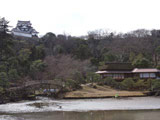
There is also a Nagaya-Gate which bestows upon the viewer the historical feeling of the Edo period. In addtion, from Nagare-no-hiraniwa you can enjoy excellent views of the main keep and the West Bailey of Himeji Castle. Finally strolling through the gardens, you can appreciate beautiful trees and flowers of four seasons, the rapids and waterfalls, and covered walkways built of Japanese cypress.

Official Website:
  Copyright © 2007-2010 all rights reserved.
Legends